Doing Visual Research
a mini guide
What is Visual Research
"Visual research is a qualitative research methodology that relies on artistic mediums to produce and represent knowledge. These artistic mediums include film, photography, drawings, paintings, and sculptures. The artistic mediums provide a rich source of information that has the ability to capture reality." - someone on Wikipedia
How to do Visual Research?
- Find a topic/object/person/event/place that is interesting* to you
- Start collecting things you associate with this topic/object/person/event/place
- Keep on gathering things until you don't have anything else to look at
- Look at what you've collected and see if you can figure out why
- Begin editing/removing/cutting up/rearranging what you've collected so that it makes sense to you
- Pick one or two key things you've gathered that you think sums up your interest
- Go back to step 1 and repeat.
Examples of Visual Research
Aby Warburg: Mnemosyne Atlas
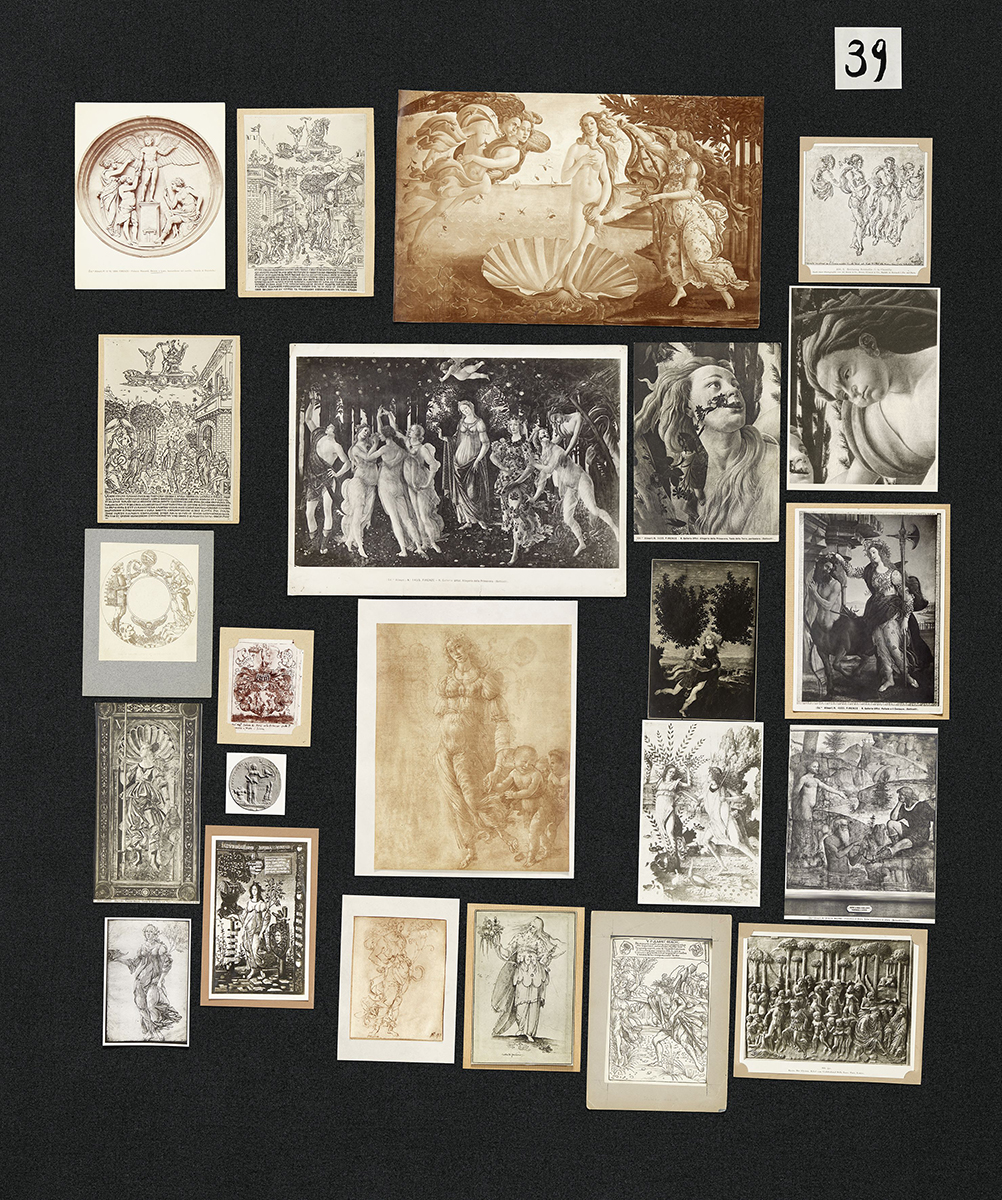
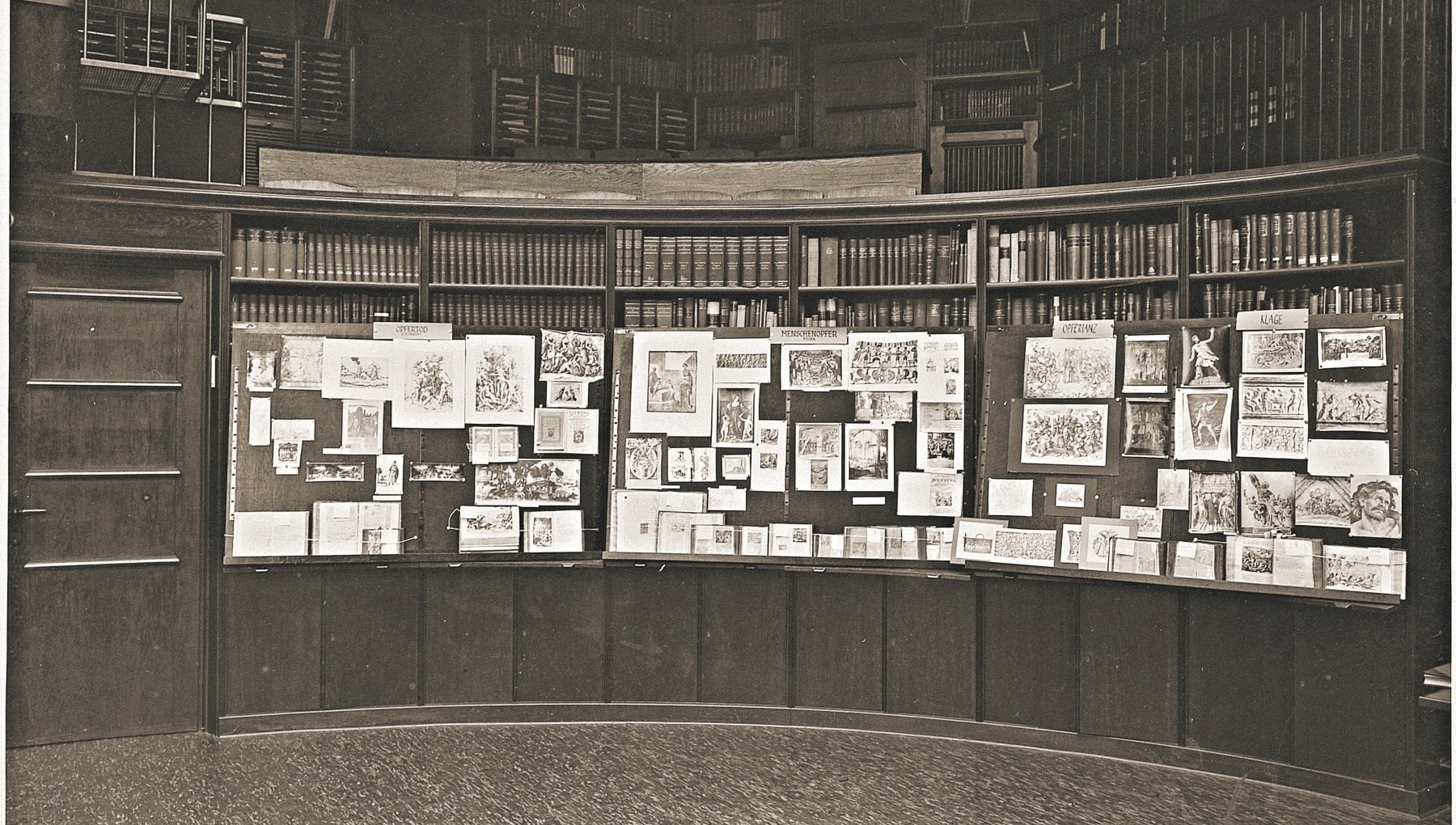
"Begun in 1924 and left unfinished at the time of his death in 1929, the Mnemosyne Atlas is Aby Warburg’s attempt to map the “afterlife of antiquity,” or how images of great symbolic, intellectual, and emotional power emerge in Western antiquity and then reappear and are reanimated in the art and cosmology of later times and places, from Alexandrian Greece to Weimar Germany. Focusing especially on the Renaissance, the historical period where he found the struggle between the forces of reason and unreason to be most palpable, Warburg hoped that the Mnemosyne Atlas would allow its spectators to experience for themselves the “polarities” that riddle culture and thought."
Virtual tour of the panels: https://warburg.sas.ac.uk/aby-warburg-bilderatlas-mnemosyne-virtual-exhibition
Jenny Odell
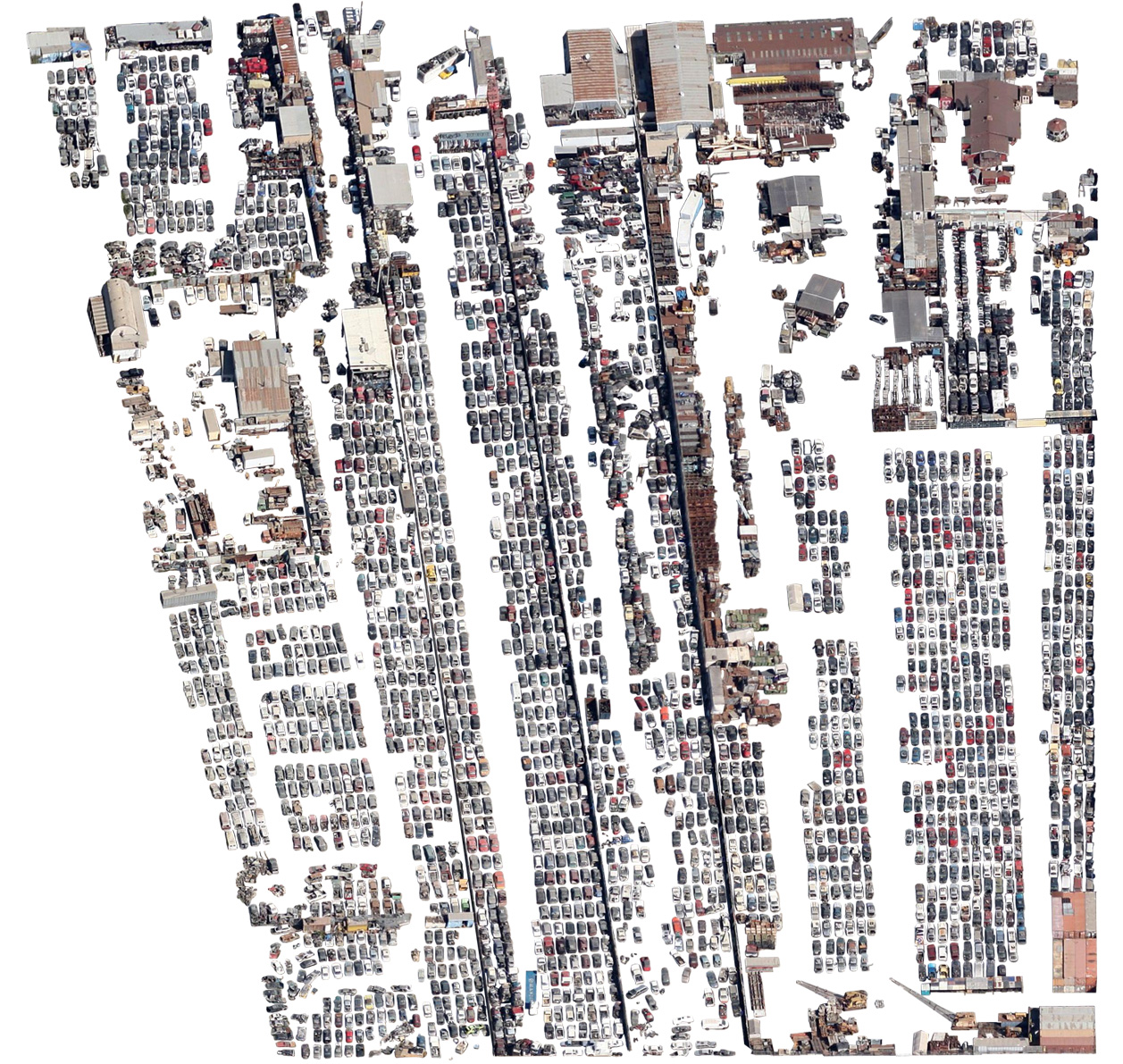
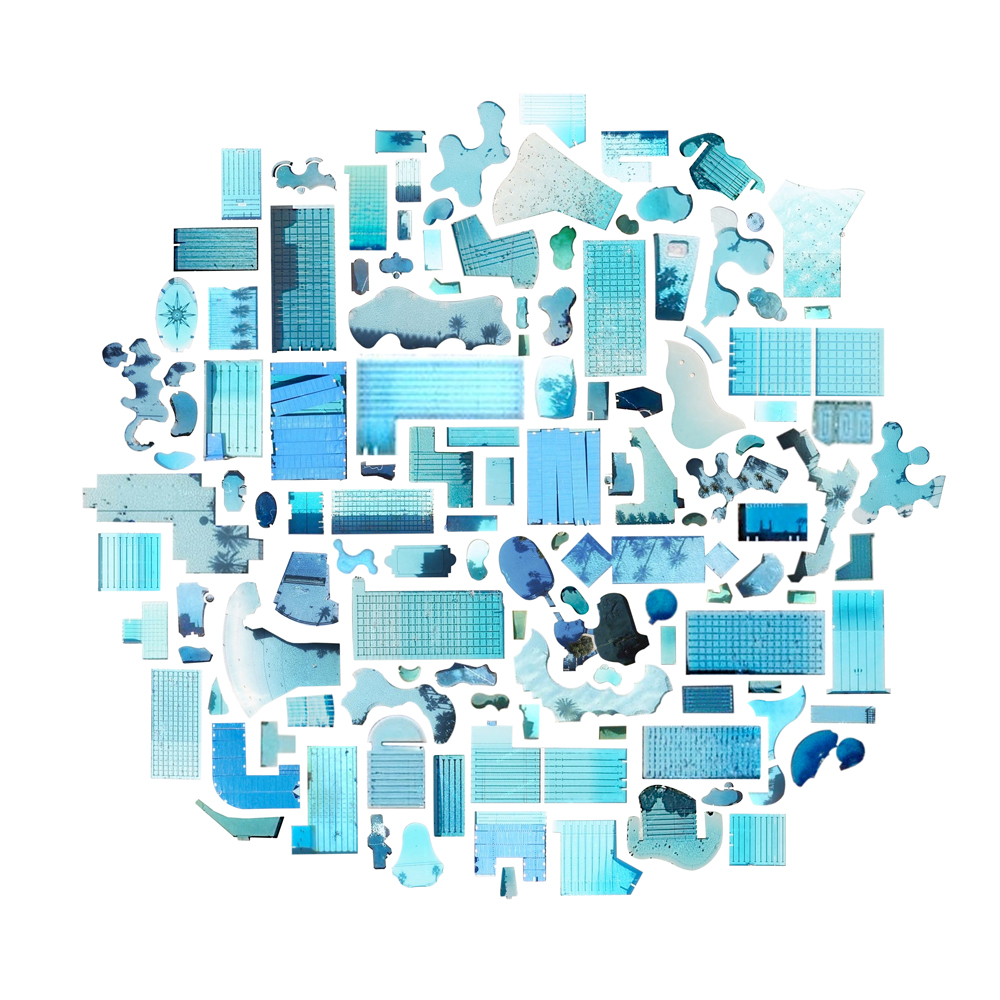
"Her project Satellite Collections, created from 2009-2011, uses the satellite view on Google Maps to find objects as diverse as airplanes, basketball courts and even water slides from places all over the world, which Odell then compiles into pictures. The photographer is often unaware of ‘where’ she is on the map, but then again, it’s not really important to her. “By working with the map labels turned off, I’m free to move about and explore freely,” says Odell. “This work is about a greater idea of space. I’m interested in the strangeness of a particular site or location.”"
Molly Soda
Cleaning My Desktop from molly soda on Vimeo.
Ben Denzer
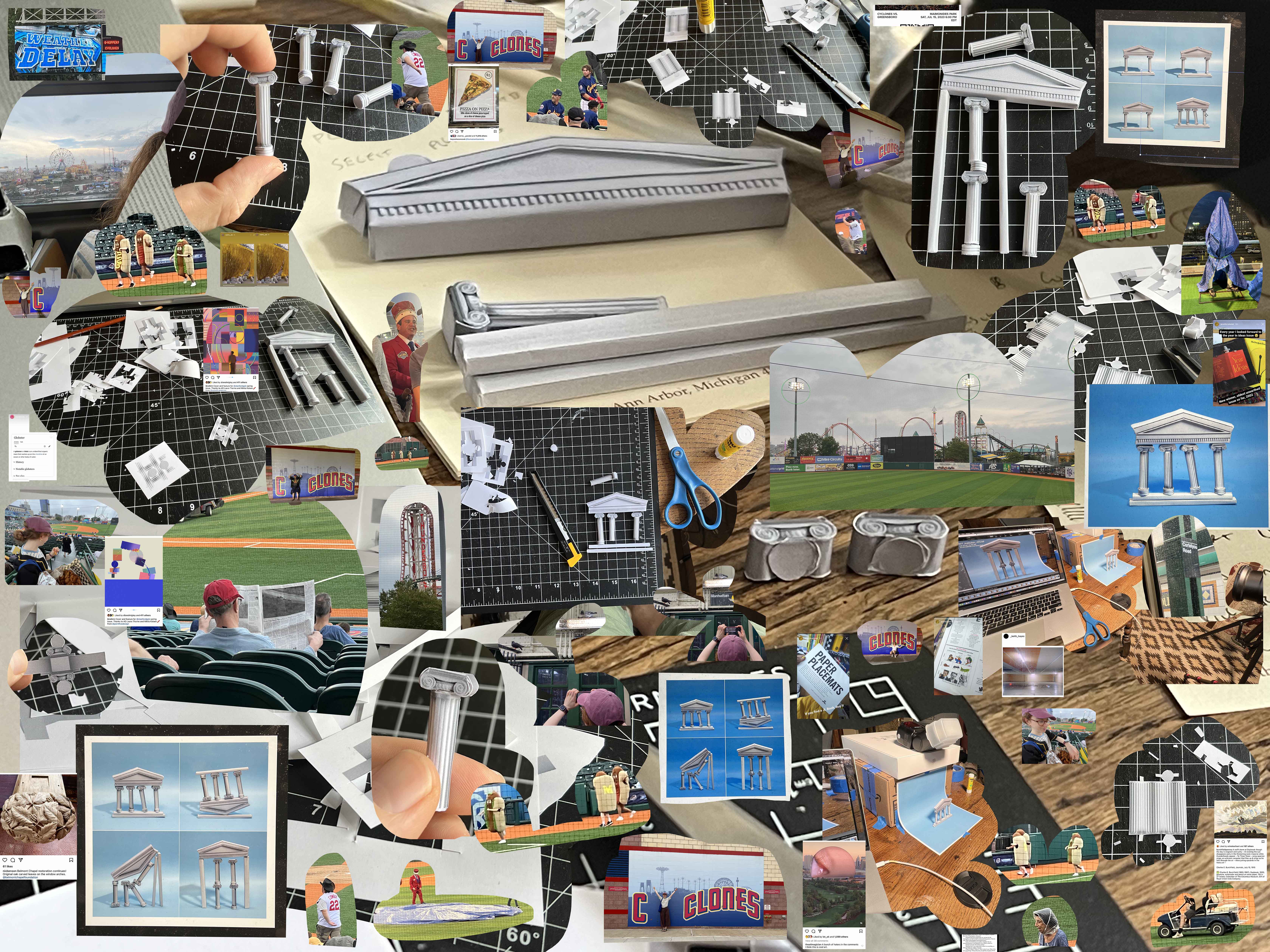
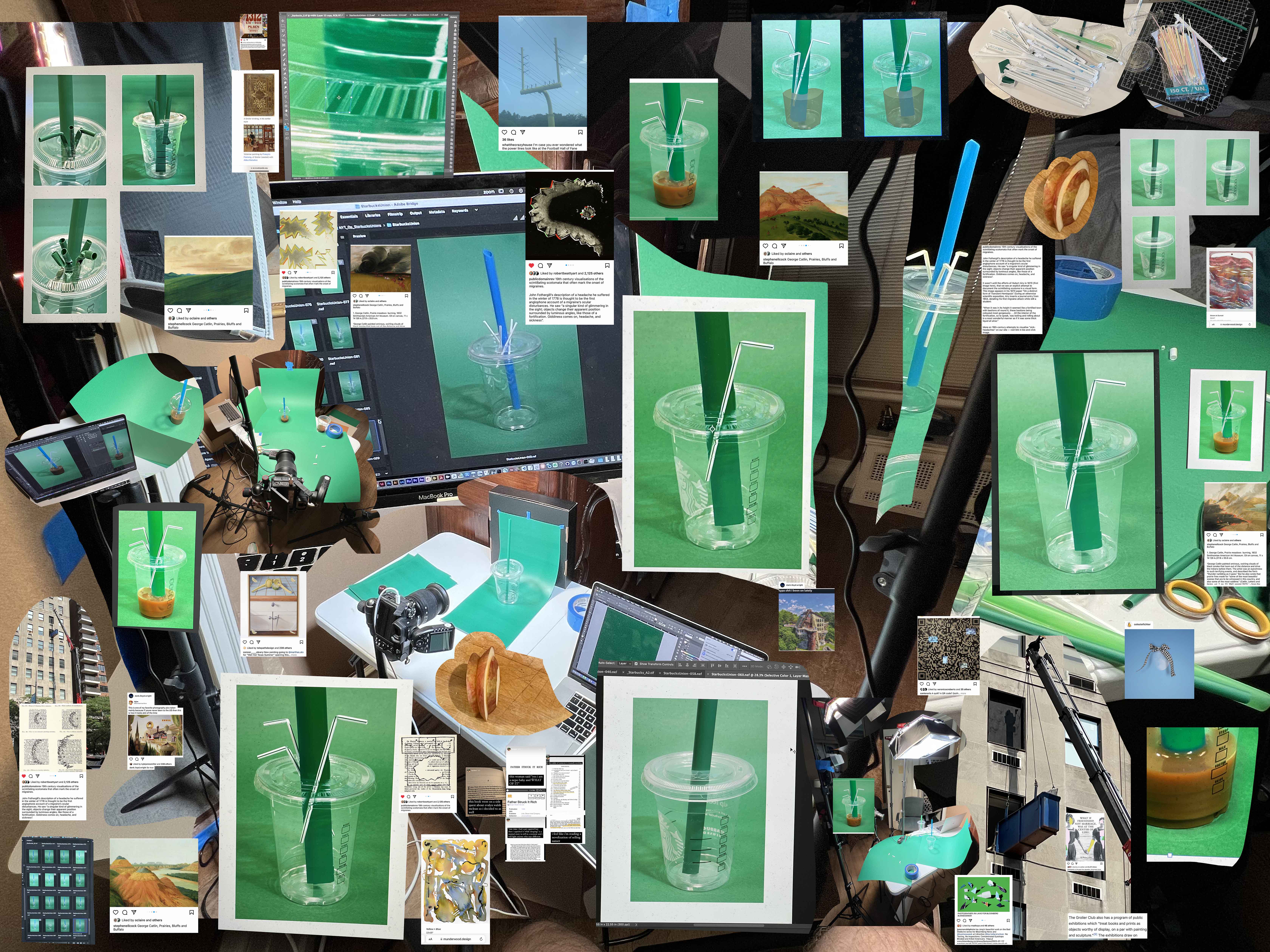
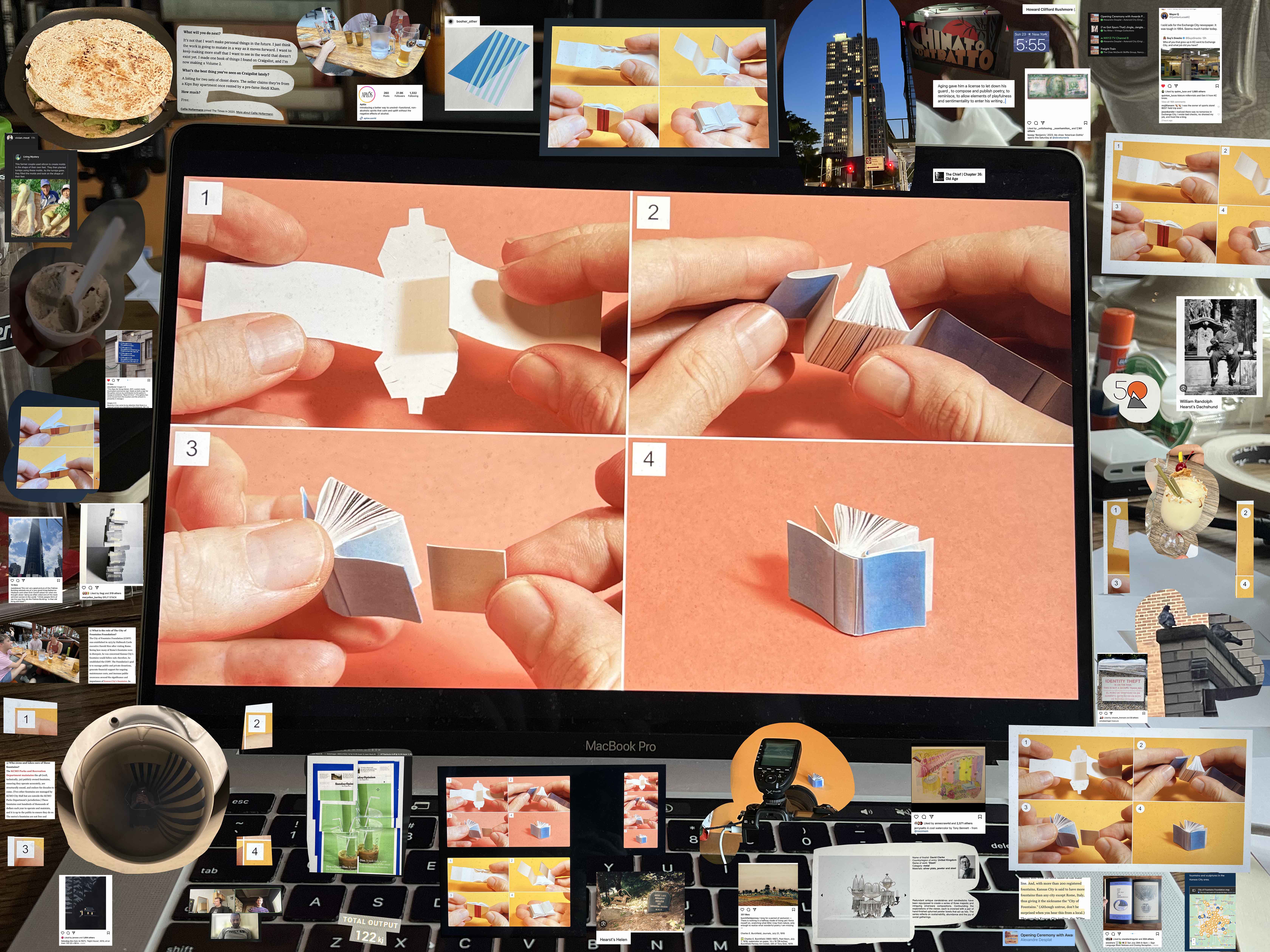
Assignment
Collect 100 imagesPrint out a contact sheet of your 100 images- Hang up your contact sheet on the walls of this room (Ben has tape)
- Together with a partner, spend a few moments talking through your image selection. Think carefully about why you selected these images and maybe choose a few that stood out to you that you can talk about in more depth
- Think about a question or a statement you could make with these images
- Start editing (by hand/analogue) your image collection to make this question or statement. Cut them out, collage them, make stacks of images etc etc
- Present your images + question or statement to the class